

Butler Building
DIY vs Full Install
DIY vs Full Install: Choosing How Your Steel Building Gets Built
Every steel building buyer hits the same decision point: assemble it yourself, or have a professional crew handle the install. Neither option is automatically the right call — it depends on your timeline, your comfort with the physical work, and what you’re building. Here’s what each path actually involves, so you can pick with your eyes open.
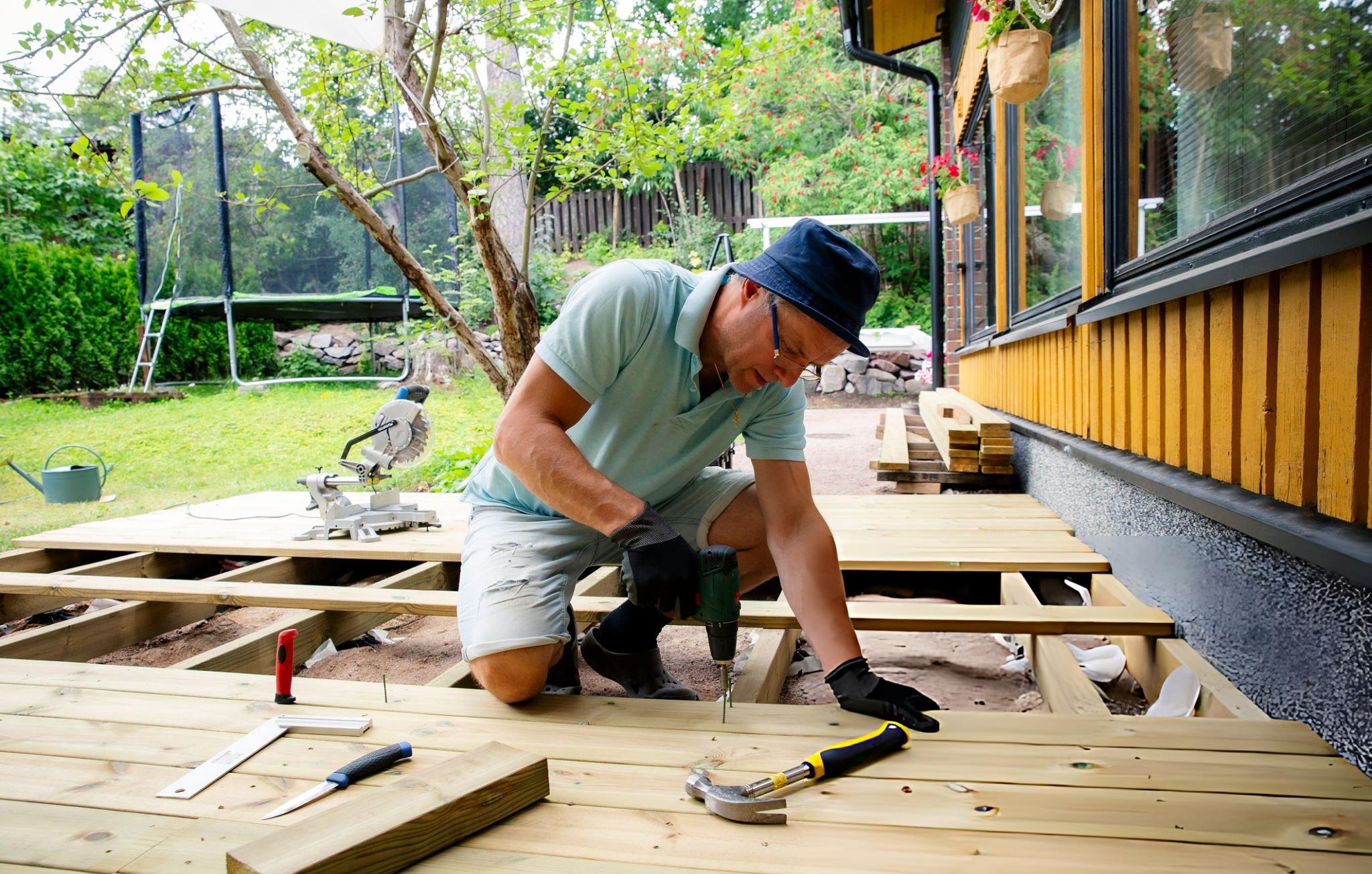
What DIY Steel Building Assembly Actually Involves
A DIY kit ships with pre-engineered, pre-cut components and a set of assembly instructions — you’re not fabricating anything, just assembling what arrives. That said, it’s still a serious physical project: expect to need a small crew (2 to 4 people), basic construction tools, and several days to a couple of weeks depending on building size. Buildings under a few thousand square feet with straightforward footprints are the most realistic DIY candidates; larger or more complex structures get harder to justify without experience.
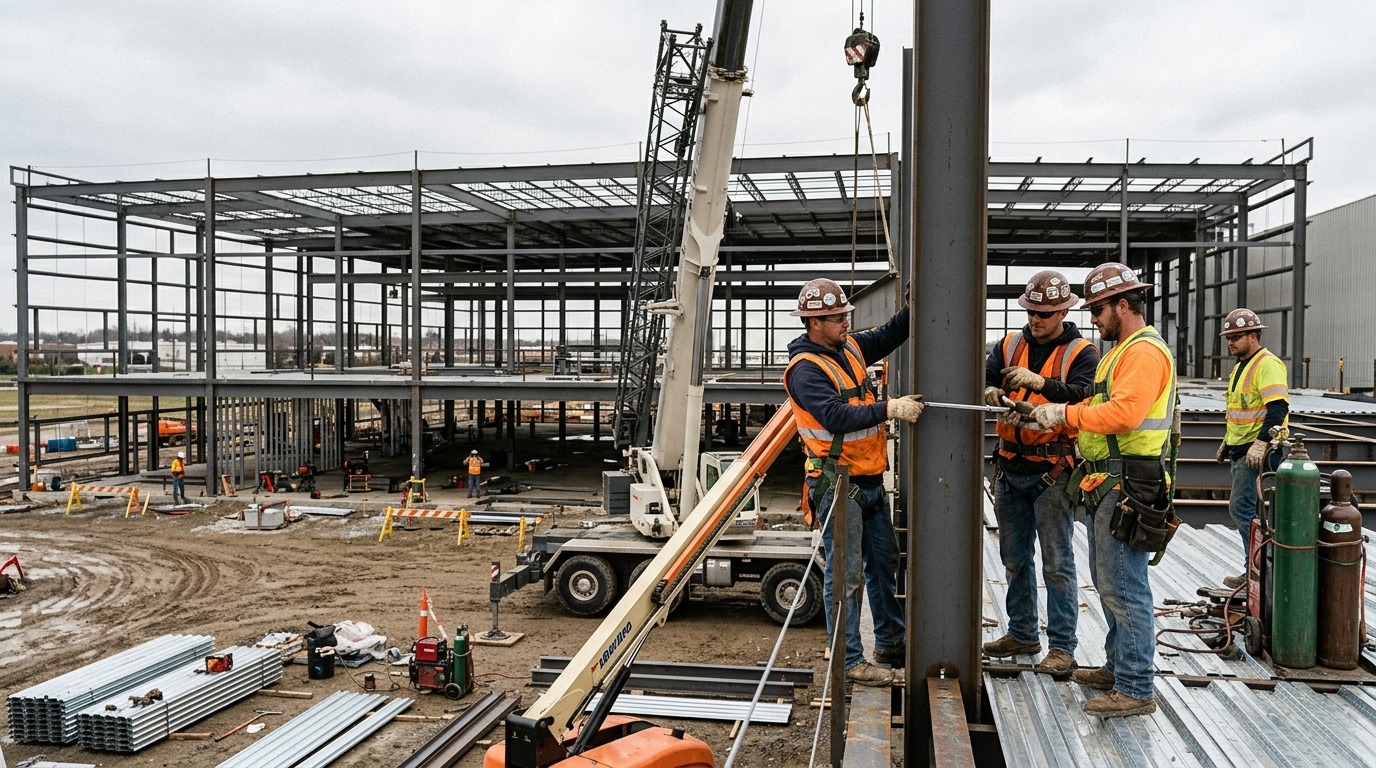
What a Professional Steel Building Installation Includes
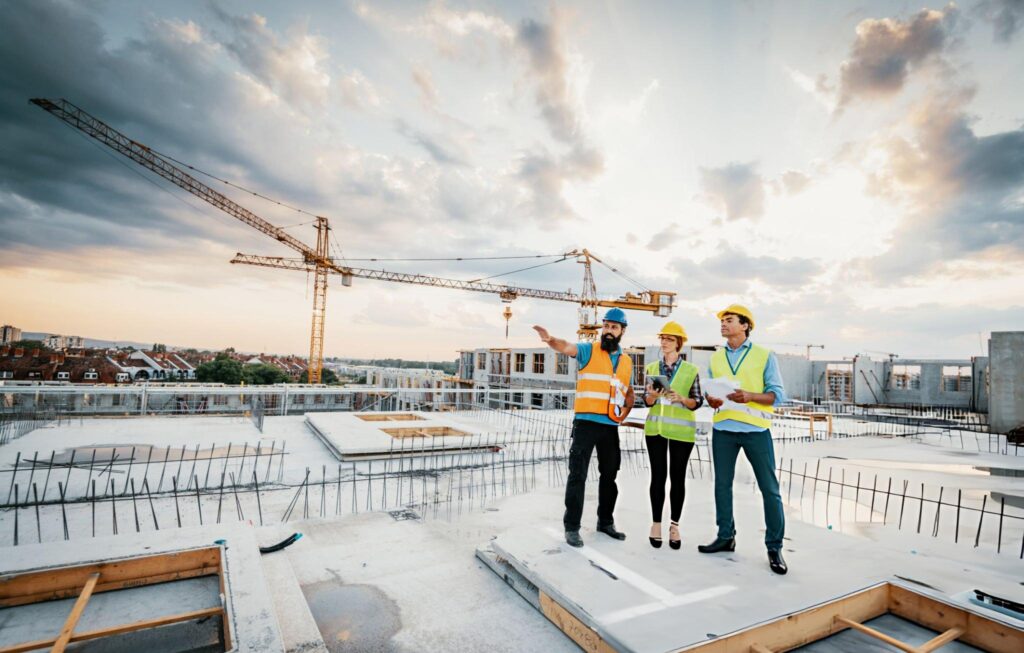
With full install, a licensed crew handles everything from framing to final panel and trim work, typically finishing in a fraction of the time a DIY build would take. This is the lower-risk option for larger buildings, tight timelines, or anyone without construction experience — and it usually keeps manufacturer warranty terms fully intact, since some warranties specify professional installation as a condition.
DIY vs Full Install: Cost, Timeline, and Skill Comparison
| Factor | DIY Assembly | Full Installation |
|---|---|---|
| Upfront cost | Lower — labor is your time | Higher — labor included |
| Timeline | Days to a couple weeks | Typically faster, crew dependent |
| Skill level needed | Basic construction ability | None — handled for you |
| Best for | Smaller, simpler buildings | Larger, complex, or time sensitive builds |
| Warranty considerations | Check terms — some require pro install | Usually keeps warranty fully intact |
How to Decide Between DIY and Full Install for Your Building
Ask yourself three questions before choosing: Do you or someone on your crew have real construction experience? Is your timeline flexible enough to absorb a slower DIY build? And does your building’s size or complexity fall within realistic DIY territory? If you answer no to any of these, full install is almost always the safer call — the cost difference is often smaller than people expect once you factor in tool rental, potential mistakes, and your own time.
Why Choose AM Star
Whichever path you choose, AM Star backs it with 30+ years of experience and a warranty covering [structural/paint/roof terms — still needed]. Our team can walk you through DIY feasibility for your specific building, or connect you with a trusted install crew if you’d rather hand it off entirely.
Frequently Asked Questions
Still deciding if a Butler building is right for your project? Here’s what most builders ask us before they get started.
Still have questions?
Talk to a real person. Call our Pro Desk Expert Line or request a callback.
Can I install a steel building myself?
es, for most residential-scale kits with a modest crew and basic construction tools; larger or more complex buildings are better suited to professional installation.
Does DIY installation void the warranty?
It depends on the specific warranty terms — some require professional installation for full coverage, so check before you start.
How much does professional installation typically add to the cost?
It varies by building size and region; ask for a quote breakdown that separates materials from installation labor.
How long does the process take, from quote to finished building?
Timelines vary by project scope and current fabrication schedules. Once you request a quote, we’ll give you a realistic timeframe based on your specific building and location.
Do you handle engineering and permitting?
Yes. Every Butler building is engineered to meet local codes and structural requirements, with stamped drawings provided for permitting, backed by Butler’s manufacturing standards.
Do you handle engineering and permitting?
Yes. Every Butler building is engineered to meet local codes and structural requirements, with stamped drawings provided for permitting, backed by Butler’s manufacturing standards.
What's the difference between a Butler building and a barndominium?
A barndominium is one type of building you can build using Butler’s steel building system, combining residential living space with a metal building structure. It uses the same engineered components and durability standards as our other building types.
What if I'm not building new, I just need parts or repairs?
We also supply genuine Butler parts and components for repairs, replacements, or expansions, no need to order a full building. Browse our parts catalog or contact us directly.
How do I get started?
Request a quote and tell us about your project, building type, size, and timeline. We’ll follow up with accurate pricing and next steps, no pressure, no runaround.
Get in Touch
Email:
Phone:
Pro Desk Expert Line: (559) 428-8537
Toll Free Builder Line: (888) 374-2326
Availability:
Available 7 Days a Week from 8am to 5pm and Evenings by Appointment.
Request a New Butler Building Quote
Tell us about your project and we'll put together accurate pricing on a genuine factory-spec Butler building. Every quote is engineer-reviewed and tailored to your building type, size, and timeline.
Download the Spec Sheet
Fill in the fields below to instantly download your spec sheet. A backup copy will also be sent to your email.