

Butler Building
Steel Maintenance Guide
Maintaining Your Steel Building: A Practical Guide
A steel building is built to outlast almost anything you put next to it but “low-maintenance” doesn’t mean “no maintenance.” A few basic checks each year are what stand between a building that looks and performs the way it did on day one, and one that racks up avoidable repair bills. Here’s exactly what to check, how often, and what to leave to a professional
Roof and Panel Maintenance for Steel Buildings
Your roof and wall panels take the brunt of the weather, so they’re the first place small problems show up.
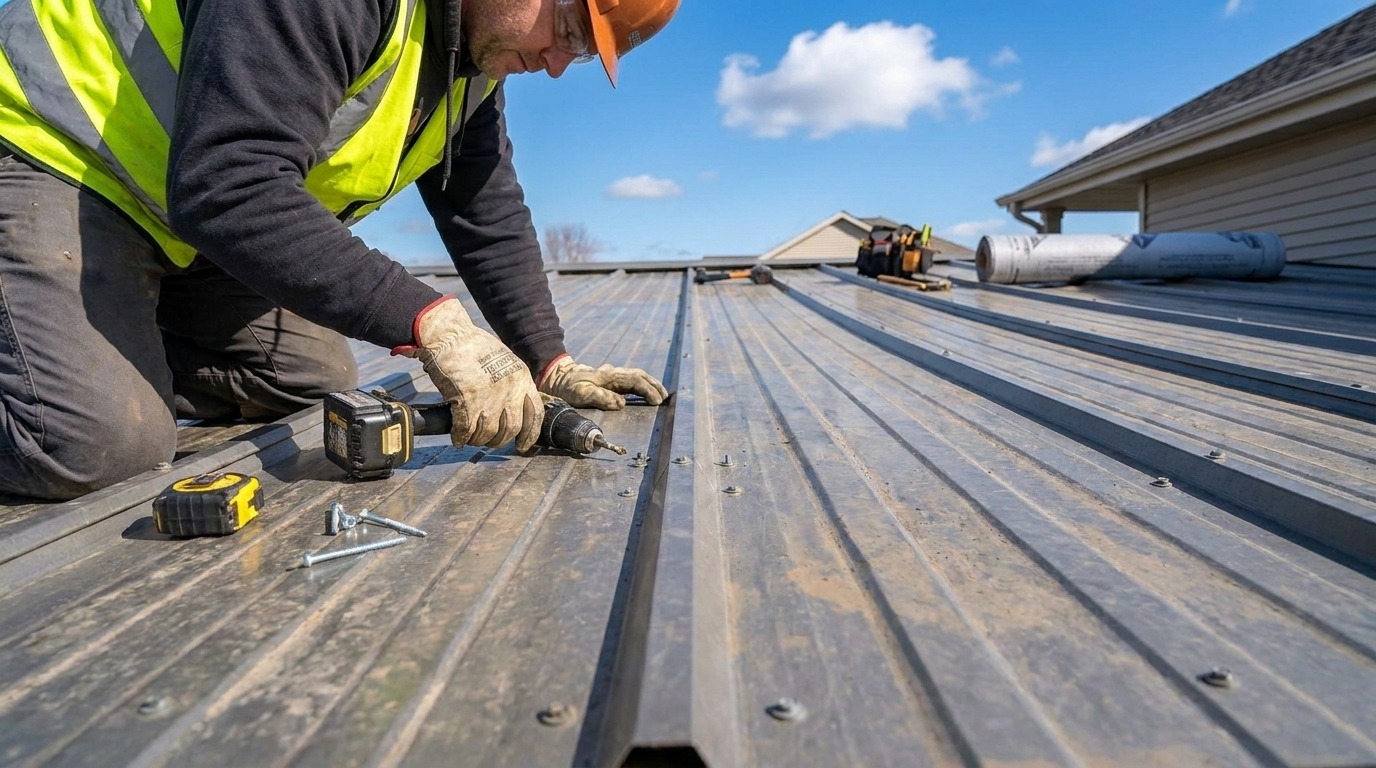
- Inspect panel seams and fasteners twice a year (spring and fall) for loosening, rust streaks, or gaps
- Clear debris like leaves, branches, snow buildup from gutters and roof valleys before it traps moisture against the panel surface
- Check sealant and caulking around penetrations (vents, skylights, flashing) annually; re-seal at the first sign of cracking
- Wash panels with mild soap and water once a year to prevent dirt buildup from breaking down the paint finish over time
How to Maintain Steel Building Doors and Trim
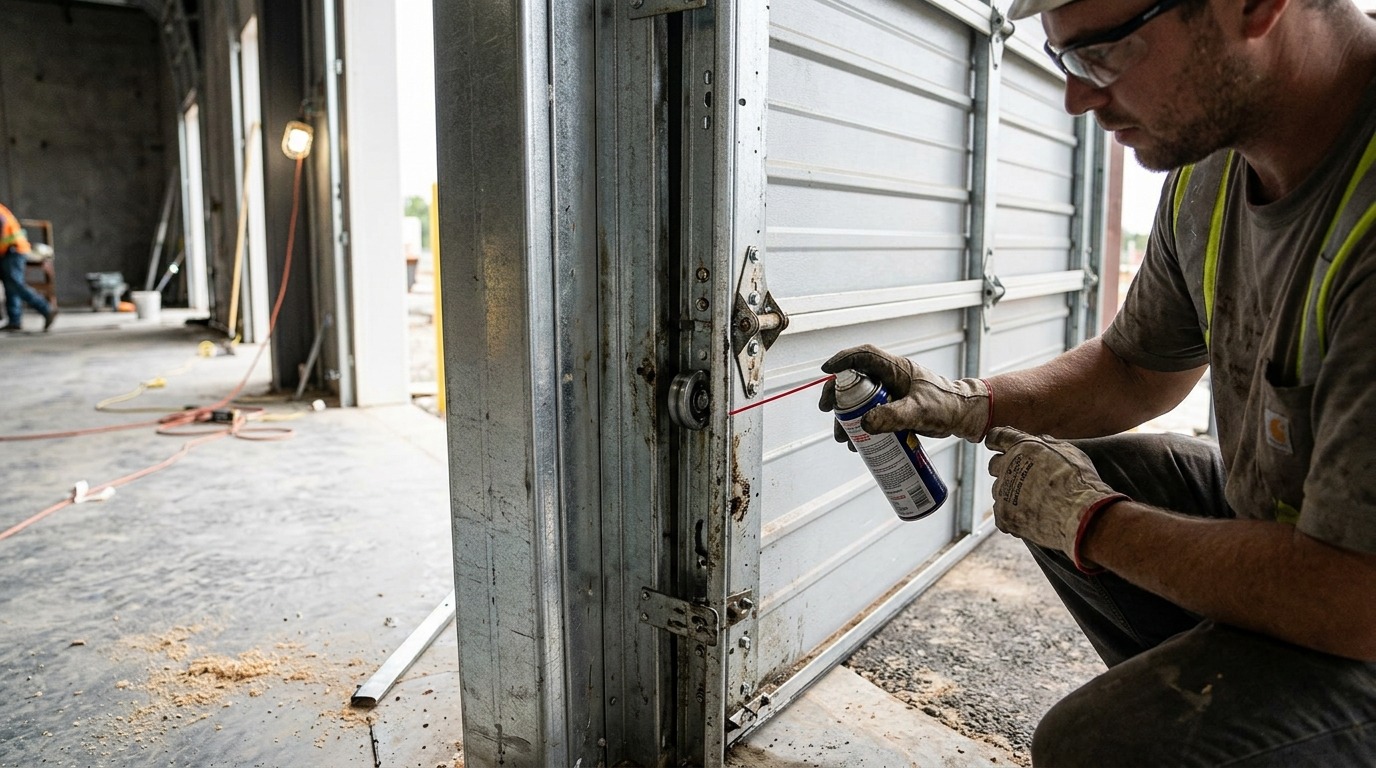
- Lubricate rollup and man door hardware (hinges, tracks, rollers) every 6 months
- Check weatherstripping and door seals for gaps that let in moisture or pests
- Inspect trim and flashing at wall and roof transitions, since this is where most leaks start
- Tighten any loose trim fasteners before winter
Steel Building Foundation Drainage
The building is only as good as what it’s sitting on. A few minutes here saves major repairs later.
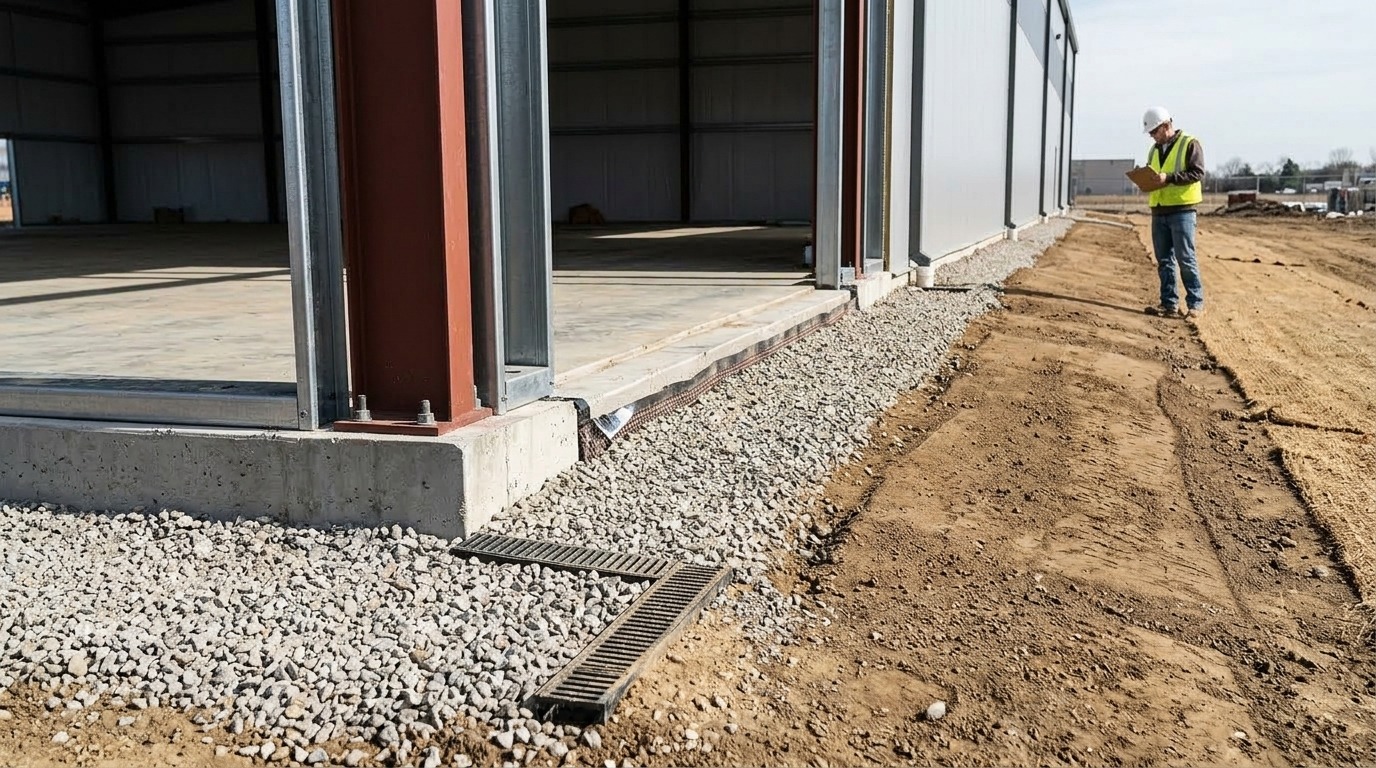
- Check the perimeter grade to make sure water is draining away from the slab, not pooling against it
- Look for cracks or settling at the base of the slab, especially after heavy rain or freeze thaw cycles
- Keep vegetation and debris clear of the foundation edge
For a full walkthrough on getting the foundation right from the start, see our Foundation & Slab Guide.
Seasonal Steel Building Maintenance Checklist
| Season | What to Check |
|---|---|
| Spring | Roof and panel inspection, gutter clearing, foundation drainage check |
| Summer | Sealant and caulking inspection, door hardware lubrication |
| Fall | Clear debris before winter, check trim and flashing |
| Winter | Monitor for snow load buildup, check for ice damming at valleys |
Steel Building Repairs
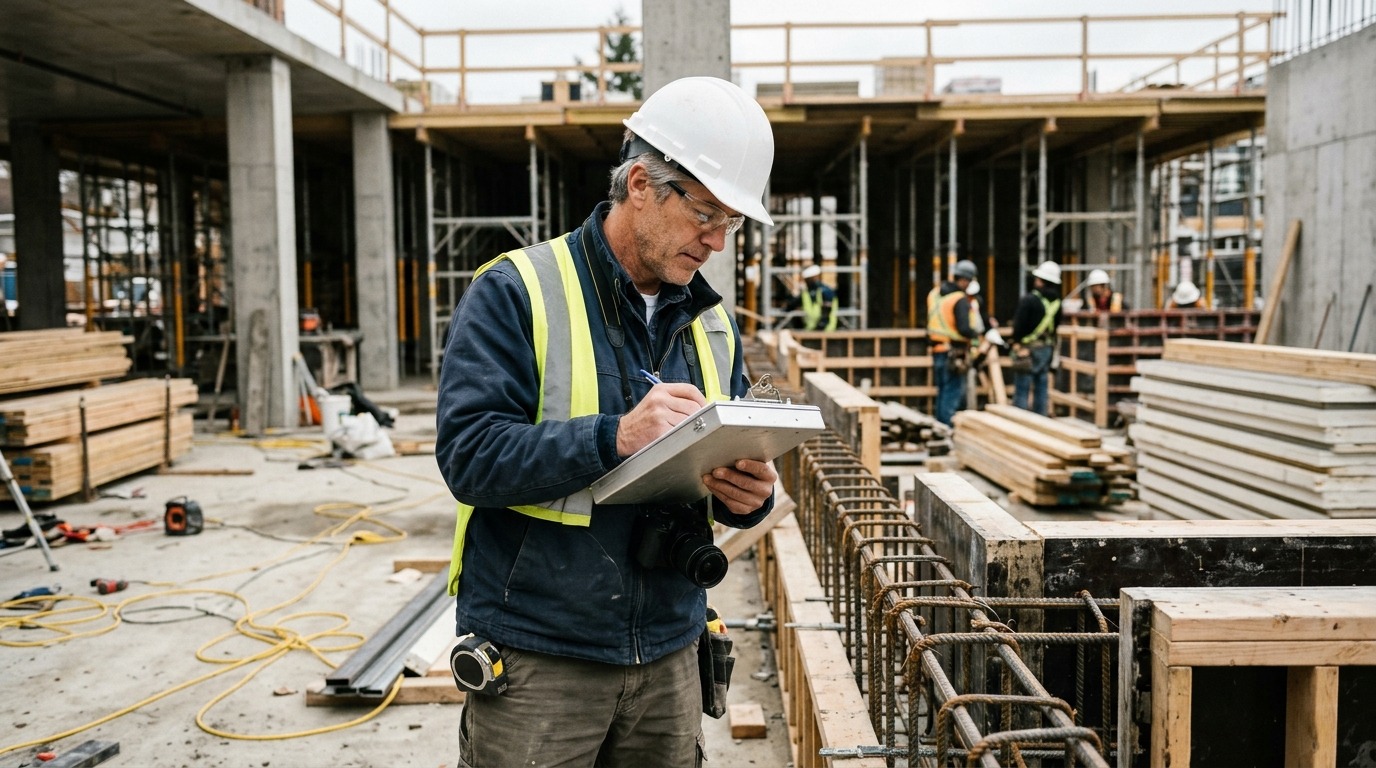
DIY vs Calling a Professional
Most maintenance is DIY friendly, but bring in a professional if you notice structural rust or corrosion, panel separation, foundation cracks wider than a hairline, or any leak that traces back to the roof structure itself rather than a sealant gap. Catching these early is almost always cheaper than waiting.
Why Choose AM Star
As an authorized Butler distributor, AM Star backs every building with 30+ years of manufacturing history behind it. We’re not just a source for parts if something needs fixing, we’re a resource for keeping your building performing for the long haul.
Frequently Asked Questions
Still deciding if a Butler building is right for your project? Here’s what most builders ask us before they get started.
Still have questions?
Talk to a real person. Call our Pro Desk Expert Line or request a callback.
How often should I inspect my steel building?
Twice a year at minimum, spring and fall, with a quick check after any major storm.
Will my building rust?
Quality steel buildings use protective coatings designed to resist corrosion for decades, but coastal or high humidity environments need more frequent panel inspections.
Do I need a professional for annual maintenance?
No, most of the checklist above is doable yourself. Professional help is really only needed for structural concerns or major repairs.
How long does the process take, from quote to finished building?
Timelines vary by project scope and current fabrication schedules. Once you request a quote, we’ll give you a realistic timeframe based on your specific building and location.
Do you handle engineering and permitting?
Yes. Every Butler building is engineered to meet local codes and structural requirements, with stamped drawings provided for permitting, backed by Butler’s manufacturing standards.
Do you handle engineering and permitting?
Yes. Every Butler building is engineered to meet local codes and structural requirements, with stamped drawings provided for permitting, backed by Butler’s manufacturing standards.
What's the difference between a Butler building and a barndominium?
A barndominium is one type of building you can build using Butler’s steel building system, combining residential living space with a metal building structure. It uses the same engineered components and durability standards as our other building types.
What if I'm not building new, I just need parts or repairs?
We also supply genuine Butler parts and components for repairs, replacements, or expansions, no need to order a full building. Browse our parts catalog or contact us directly.
How do I get started?
Request a quote and tell us about your project, building type, size, and timeline. We’ll follow up with accurate pricing and next steps, no pressure, no runaround.
Get in Touch
Email:
Phone:
Pro Desk Expert Line: (559) 428-8537
Toll Free Builder Line: (888) 374-2326
Availability:
Available 7 Days a Week from 8am to 5pm and Evenings by Appointment.
Request a New Butler Building Quote
Tell us about your project and we'll put together accurate pricing on a genuine factory-spec Butler building. Every quote is engineer-reviewed and tailored to your building type, size, and timeline.
Download the Spec Sheet
Fill in the fields below to instantly download your spec sheet. A backup copy will also be sent to your email.