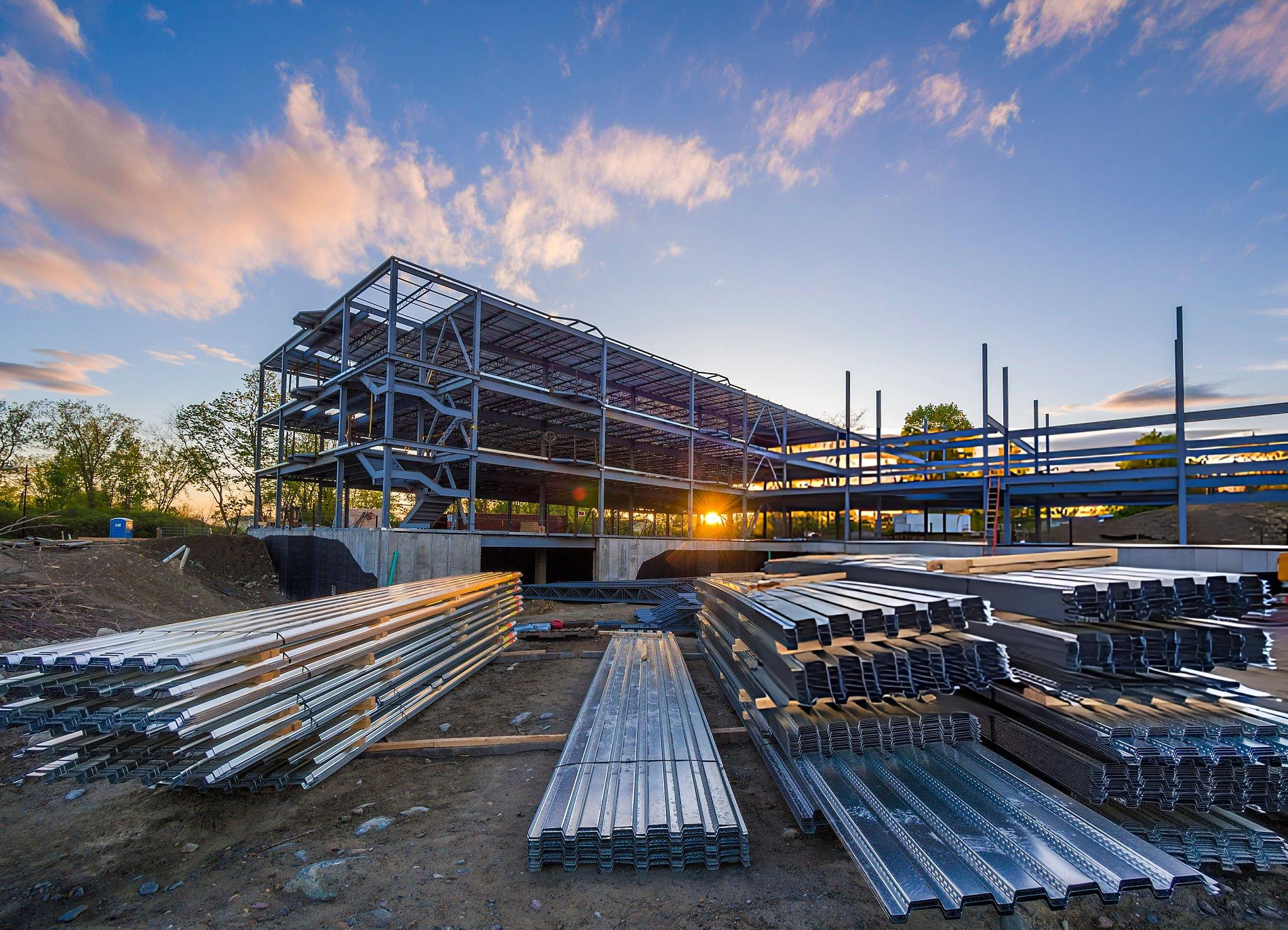
Butler Solar Ready Building Systems
Designed With Solar Integration In Mind
As energy efficiency and sustainability become increasingly important, many building owners are planning for future solar panel integration during the early stages of construction. Butler building systems are designed to support long term performance while accommodating solar ready roof solutions for commercial, industrial, and institutional facilities.
With proven standing seam roof systems like the MR-24® Roof System, Butler buildings provide a durable platform for non penetrating solar attachment systems that help preserve roof integrity and weather protection.
Engineered For Long Term Roof Performance
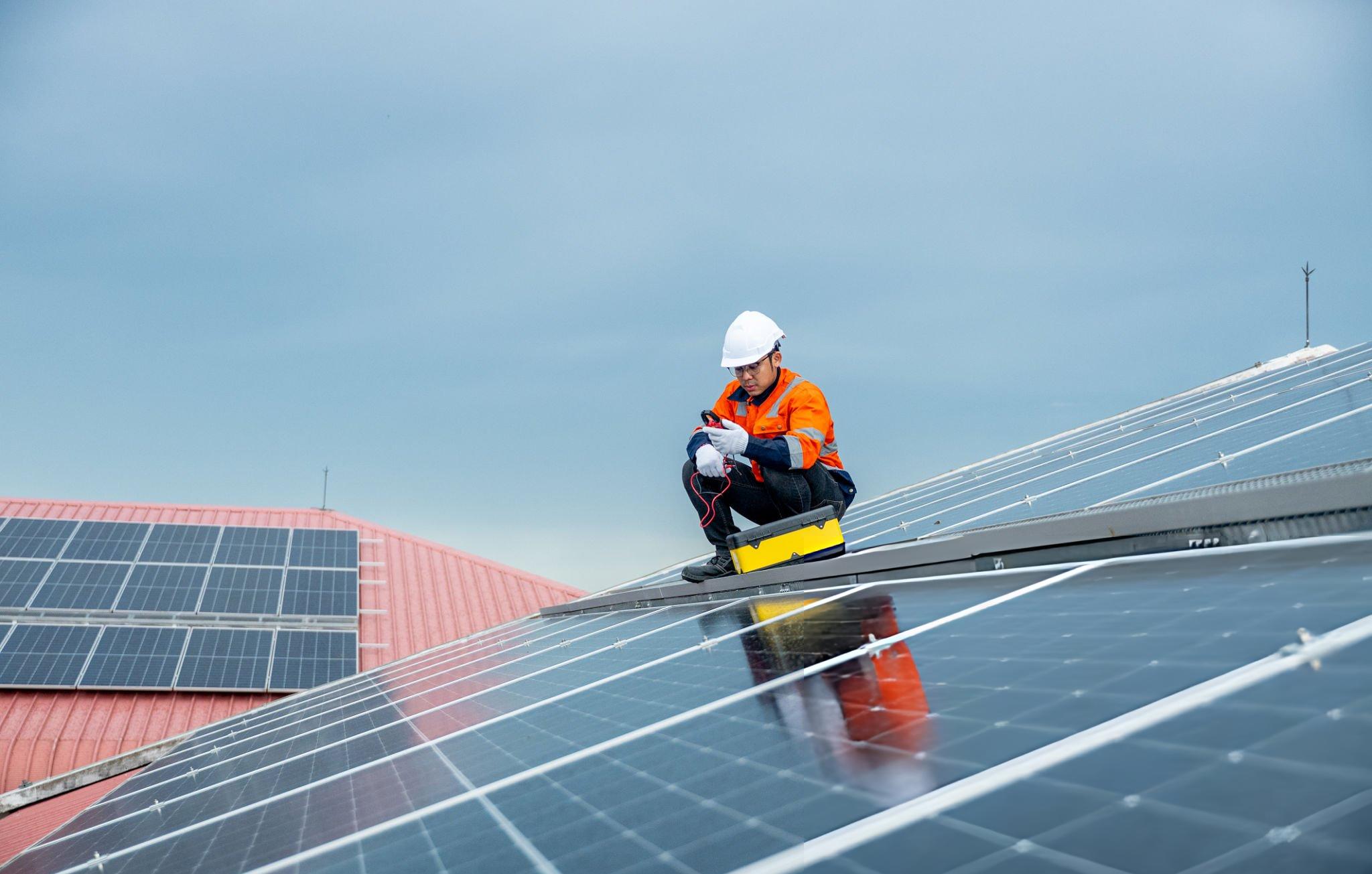
Traditional roof mounted solar systems often require penetrations that can increase the risk of leaks, maintenance concerns, and long term roof deterioration. Butler standing seam roof systems are designed to work with clamp based solar attachment methods that reduce the need for roof penetrations while preserving weathertight performance.
The MR-24® roof system is specifically engineered to accommodate roof movement caused by expansion and contraction, helping maintain structural performance under demanding environmental conditions.
Benefits Of Solar Ready Butler Buildings
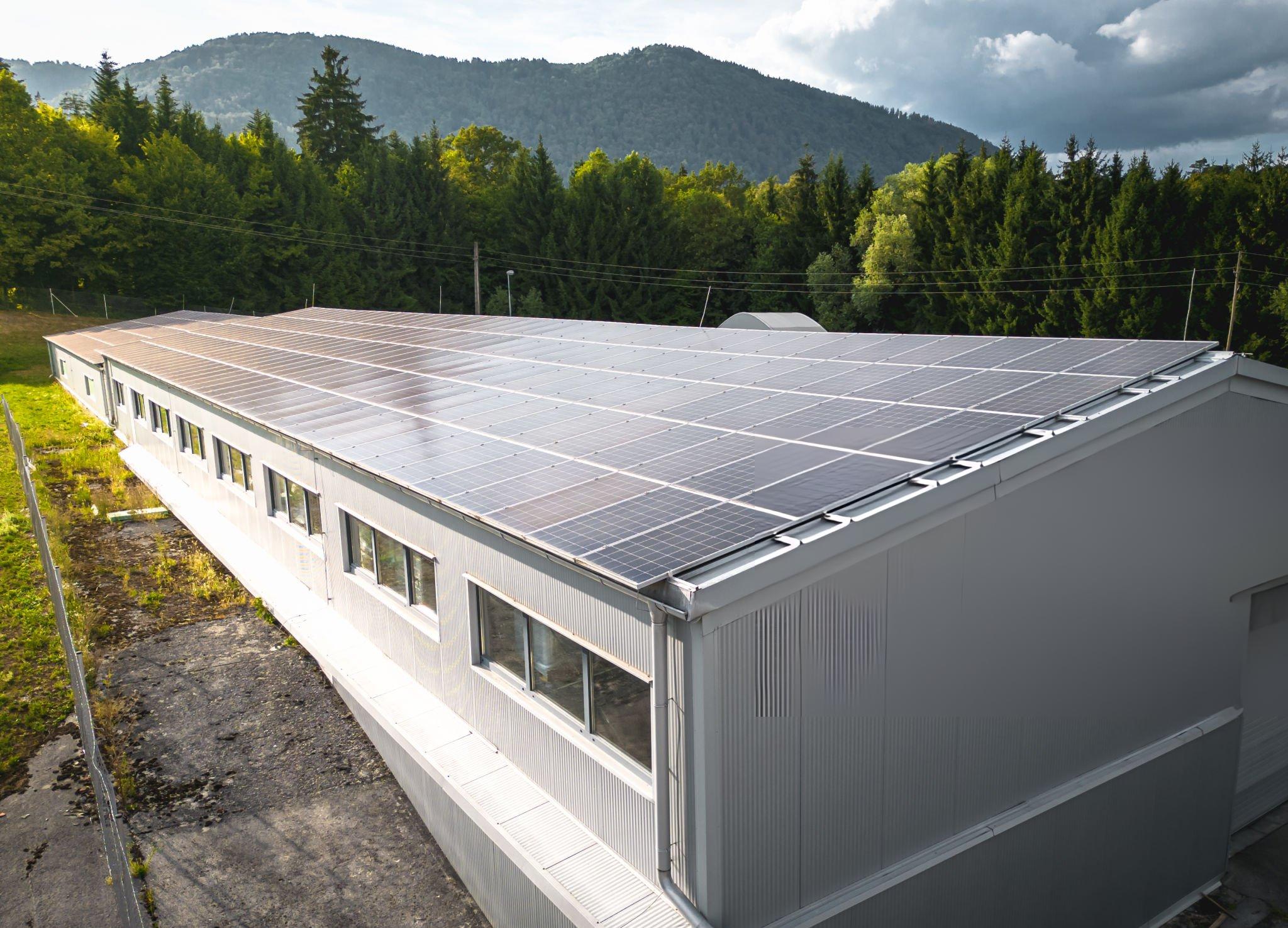
Built Around Proven Standing Seam Roof Systems
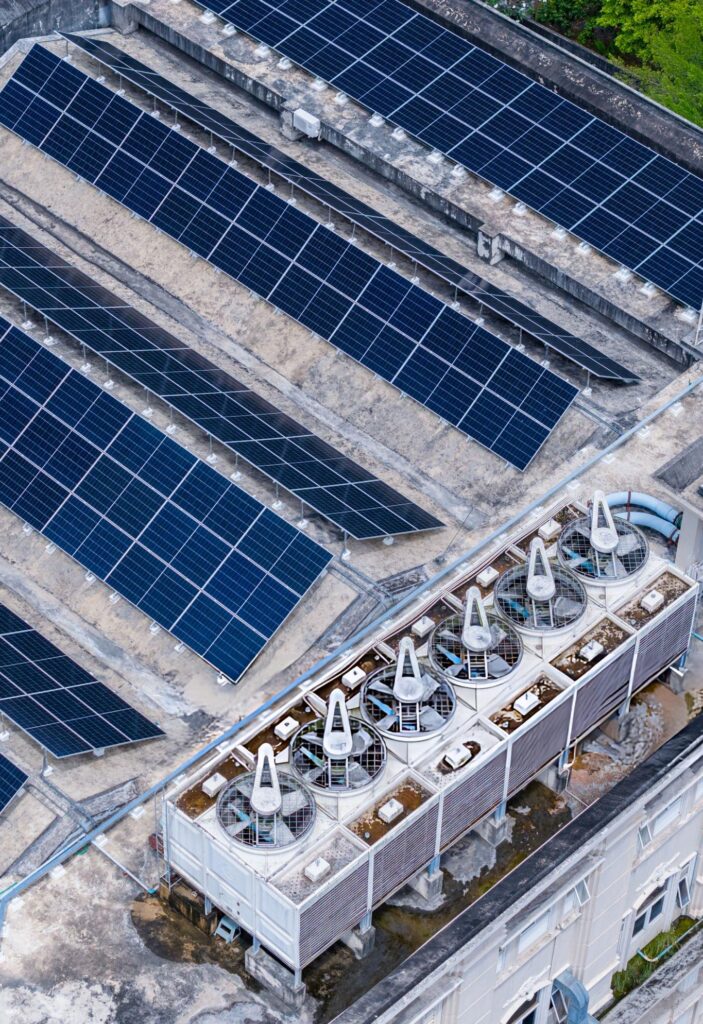
Butler roof systems including the MR-24® Roof System are designed for durability, weather resistance, and energy performance. The system’s 360 degree Pittsburgh double lock seam and floating clip design create a reliable roofing platform that supports modern building performance requirements while helping simplify future solar integration.
These systems are commonly selected for:
- Warehouses
- Manufacturing facilities
- Distribution centers
- Commercial buildings
- Institutional facilities
- Agricultural structures
Support Long Term Energy Efficiency Goals
Whether your project plans include immediate solar installation or future renewable energy expansion, Butler systems provide the flexibility and durability needed for evolving facility demands.